

Thermal Barrier Coating -
Where Heat Stops and Reliability Begins
Efficient Insulation. Engineered Peace of Mind.
Plasma Spray Processors provides Thermal Barrier Coating (TBC) services in India using Yttria-Stabilised Zirconia (YSZ) applied via atmospheric Plasma Spray. TBC systems insulate metallic substrates from temperatures exceeding 1,000°C, significantly extending the service life of gas turbine blades, combustion liners, boiler tubes, and piston crowns. With ISO-certified application processes and 40 years of thermal spray expertise, we serve aerospace OEMs, power utilities, and industrial clients across India. As specialists in thermal spray coating and surface engineering, we deliver thermal barrier coating India-wide from ISO-certified facilities trusted across aerospace, power, and process industries.
Request a CallbackWhat is a Thermal Barrier Coating?
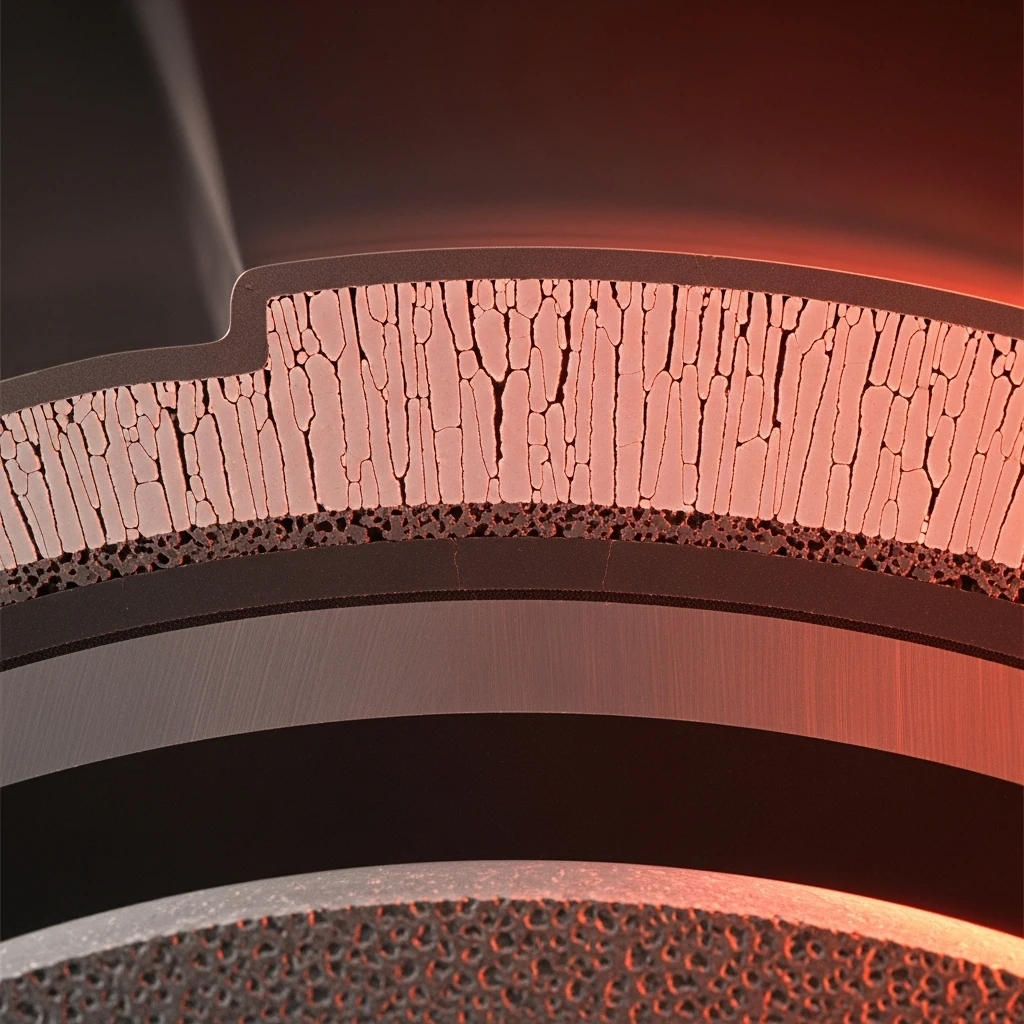
Think of TBC as your part’s very own “thermal armour” - a multilayered ceramic shield that keeps critical engine, turbine, or industrial surfaces running cool, even when things outside are seriously hot.
- A metallic coating provides the bonding layer that holds the thermal barrier system together.
- Ceramic topcoat keeps the heat at bay, usually Yttria-stabilised Zirconia.
- Thermally grown oxide (TGO) layer for durability in harsh environments.
End result? Less heat where it does not belong, more life from every component.
Why Choose TBC from Plasma Spray Processors?
Up to 250°C lower metal temperatures, fewer surprises from sudden heat spikes.
Exceptional Thermal Insulation
Up to 250°C lower metal temperatures, fewer surprises from sudden heat spikes.
Handles the Heat
Ceramics tested for life at up to 1200°C, well above what most equipment ever sees.
Defends Against Oxidation & Corrosion
Specialized bond coats for long-term chemical and atmospheric resistance.
Lasts Longer (So You Can, Too)
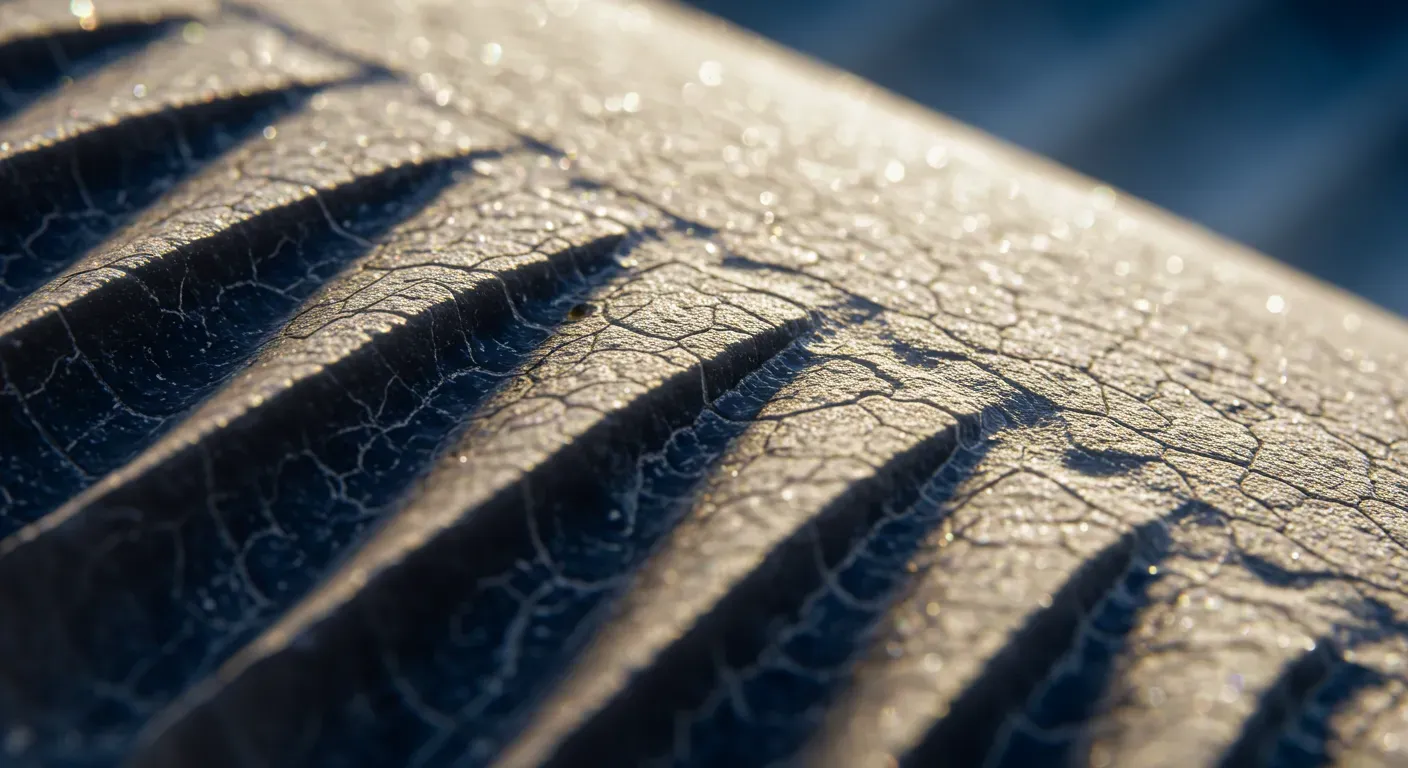
Resists spalling, shock, and cycling to deliver long-term wear resistance under continuous thermal loading.
Thermal Barrier Coating Materials:
Every thermal spray coating material we apply, from Yttria-Stabilised Zirconia to Mullite and Alumina blends, is matched to your component's exact thermal, mechanical, and service-life requirements.
| Sr No. | Material | What It Offers | Ideal Applications |
|---|---|---|---|
| 1 | Yttria-Stabilized Zirconia (YSZ) | Low thermal conductivity, high thermal shock resistance, stable up to ~1200°C | Gas turbines, diesel engines, aerospace components |
| 2 | Mullite | Low density, good mechanical strength, corrosion resistant, stable below 800°C | Diesel engines, lower temperature thermal barriers |
| 3 | Alumina (α-Al2O3) | High hardness, chemical inertness, high thermal conductivity | Added to YSZ coatings for improved oxidation resistance |
| 4 | Ceria (CeO2) + YSZ Blend | Improved thermal shock resistance and insulation | Enhanced YSZ coatings for thermal cycling |
Where Do TBCs Shine?
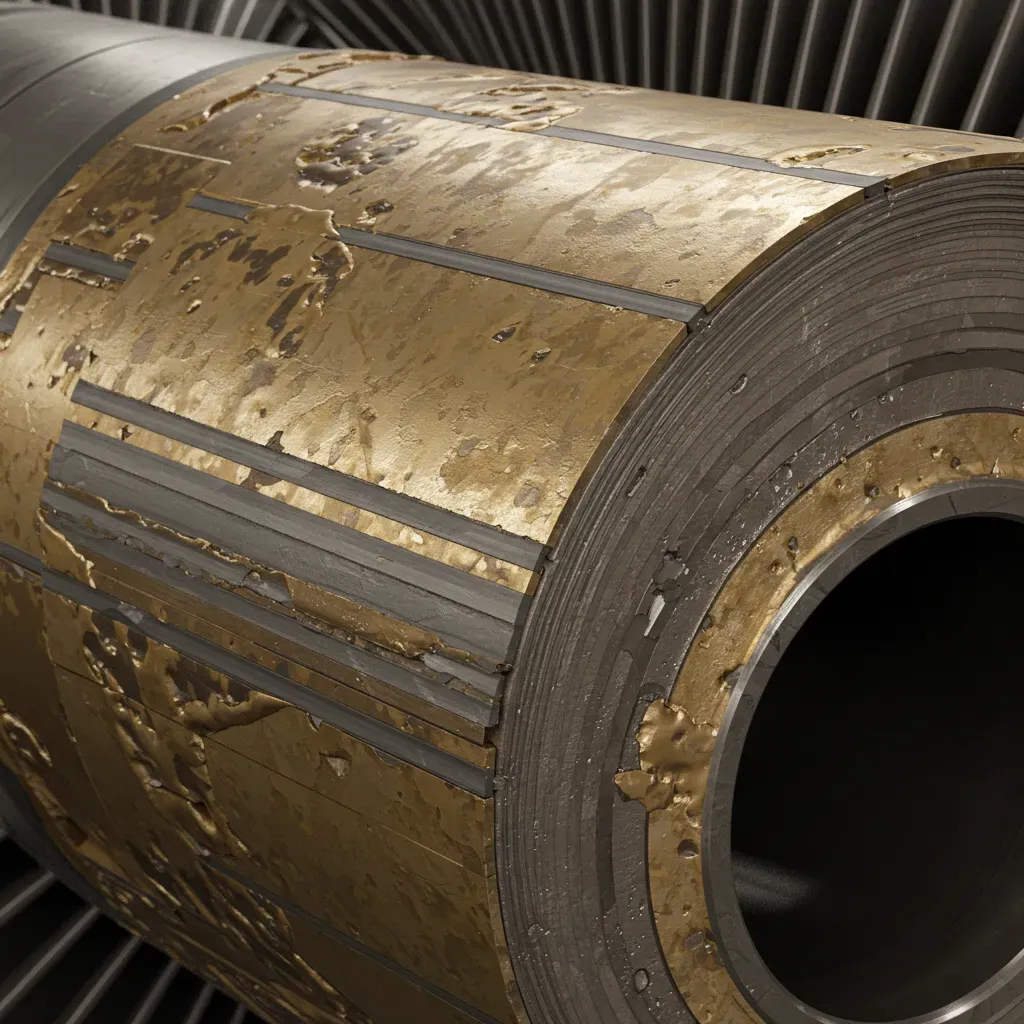
From Gas Turbine blades to Oil and Gas process equipment, our thermal barrier coating in India footprint covers every high-temperature application across aerospace, power, and heavy industry.
-
Turbine blades, vanes, combustors (Aerospace and Power)
-
Hot gas path and flame tubes
-
Exhausts, turbochargers (Automotive)
-
Reactors, high-enthalpy equipment (Process Industries)
If heat is the enemy, TBC is your easy win.
How It Works (No Surprises, Just Results)
Blast & Prep
Clean, grit-blasted surfaces for the best bond.
Bond Coat
NiCrAlY - classic, proven, and ready for duty.
Plasma Spray Ceramic Layer
YSZ topcoat, custom thickness, low porosity, applied with precision. It's one of our most demanding thermal spray coating applications, requiring tight process control for aerospace and power-generation components.
We Test. You Relax.
Every coating is measured, checked, and qualified to ISO/ASTM standards.
Technical Snapshot
Every thermal barrier coating we apply is engineered and quality-checked to the following Surface Engineering benchmarks:
-
Thickness: 100–300 µm (topcoat)
-
Hardness: 900–1200 HV0.3
-
Thermal Conductivity: ≤1.5 W/m·K
-
Operating Range: up to 1200°C
-
Bond Coat: NiCrAlY/MCrAlY, 75–150 µm
Why Work With Us?
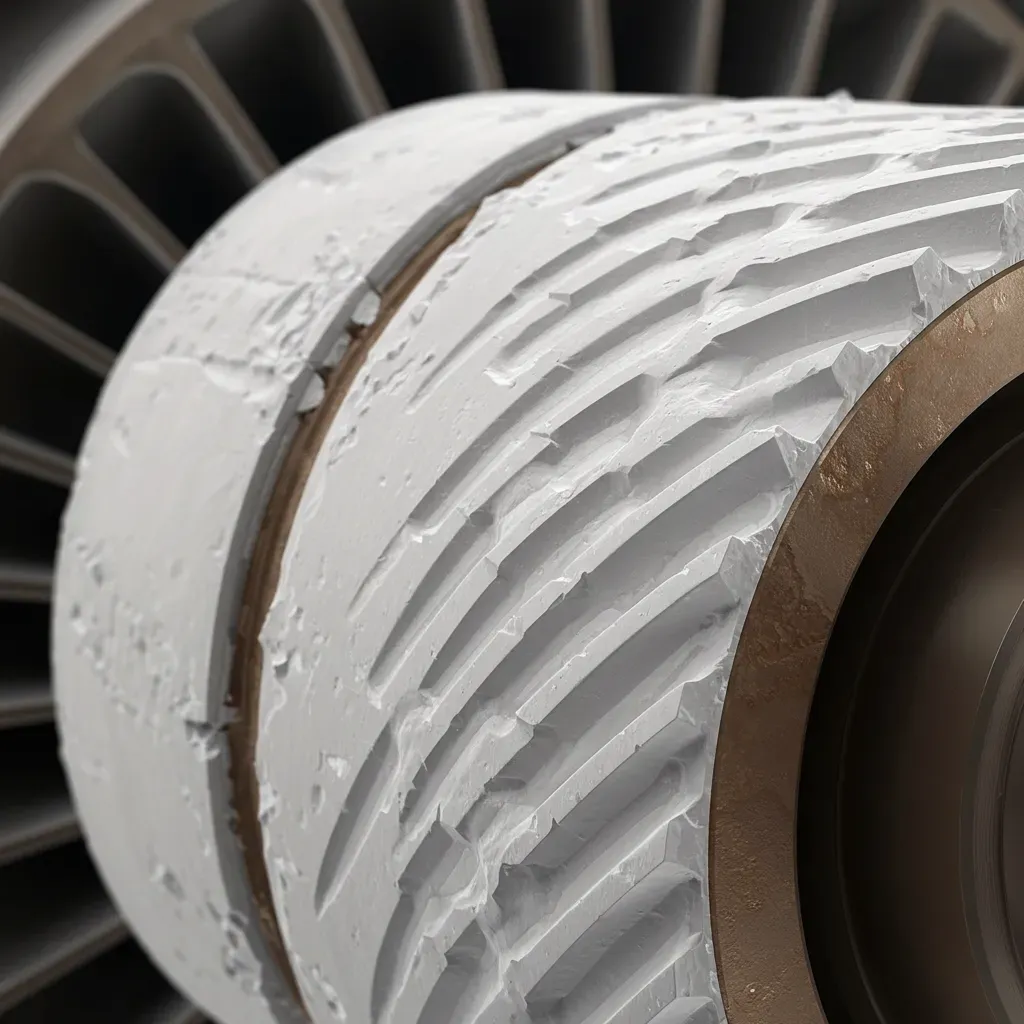
Four decades of coating experience back every thermal barrier coating project we deliver.
Decades Doing This
40+ years of “seen it, solved it, coated it.”
ISO Process
Materials and controls that set the standard (and keep audits stress-free).
Proven Results
Reference case studies and technical data available for review.
It's Literally Custom
Every job is tuned for your environment and expected service life.
Frequently Asked Questions
Ready to Turn Down the Heat?
Let’s talk about a TBC solution that keeps your next project moving forward, with none of the guesswork.
Plasma Spray Processors - Thermal Barrier Coatings. More uptime, less worry. Trusted thermal barrier coating in india specialists backed by 40 years of Surface Engineering excellence.
Areas We Serve
Maharashtra | Gujarat | Tamil Nadu | Telangana | Andhra Pradesh | Karnataka
Mumbai | Navi Mumbai | Pune | Sangli | Rajkot | Baroda | Chennai | Coimbatore | Hyderabad | Bangalore
Get in touch with our experts today for a customized quote and consultation.
Get a Quote