

Surface Engineering Solutions for Downhole Tools in the Oil and Gas Industry
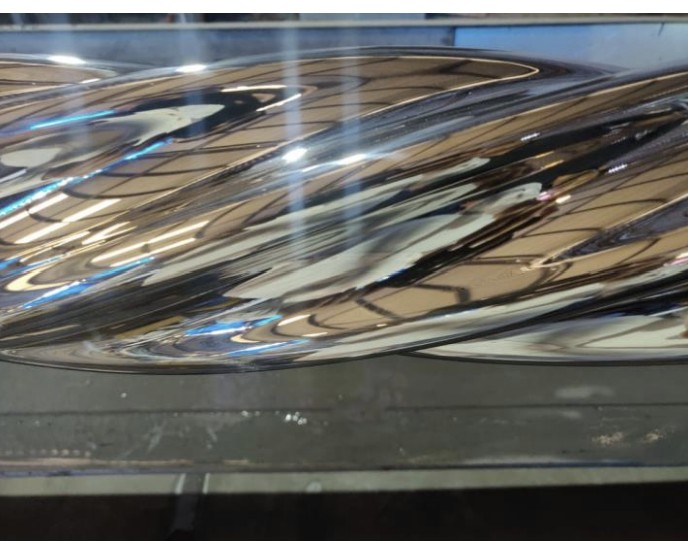
Oil and gas drilling relies on specialised downhole tools that function deep within wells. These tools drill through rock, stabilise the drill string, manage fluid flow, and transfer mechanical power.
Downhole tools are essential because they interact directly with underground rock layers. Components such as drill bits, stabilisers, valves, mud motors, and mandrels are continuously subjected to mechanical and environmental stress.
The downhole environment is harsh, characterised by high pressure, elevated temperatures, abrasive particles, and corrosive fluids. Without proper protection, components wear out rapidly, leading to costly downtime and replacements. Surface Engineering addresses these challenges by applying specialised coatings and treatments to tool surfaces, enhancing both durability and performance.
The Challenges
Downhole tools operate in demanding conditions and are subject to numerous factors that accelerate wear and damage.
Abrasive drilling conditions present a significant challenge. Drilling Mud containing rock, sand, and other particles continuously abrades tool surfaces, resulting in substantial wear as tools operate within the well.
High pressure and heat deep underground also put extra strain on tools. Tools also encounter corrosive fluids such as acids and brine, which attack metal surfaces and cause chemical degradation alongside physical wear. These substances attack metal surfaces, causing corrosion and damage.
In addition to harsh environments, these tools endure continuous mechanical stress from rotation, vibration, impact, and friction during drilling. As a result, advanced surface protection is essential.
What Are Surface Engineering Solutions?
Surface engineering modifies a component’s outer layer to enhance strength and durability. By improving surface properties, this approach combines the base metal’s strength with coatings that resist wear, corrosion, and high temperatures.
Two main types of coatings are commonly used in the oil and gas industry.
The first type includes hard coatings, such as Tungsten Carbide and chromium carbide, which offer strong resistance to abrasion and wear. The second type consists of corrosion-resistant alloys that protect components from harsh chemical environments.
Advanced methods such as High Velocity Oxygen Fuel (HVOF) spraying, plasma spray coating, and laser cladding are used to apply these coatings. Each technique provides specific advantages depending on the application and operating conditions.
HVOF Coatings: The Industry Standard for Downhole Tools
HVOF coating is now one of the most common methods for protecting downhole tools. It uses a high-temperature, high-velocity jet of oxygen and fuel to propel coating particles onto the component’s surface, forming a dense and durable layer.
Tungsten carbide-cobalt (WC-Co) is a widely used HVOF coating. It offers an effective balance of hardness and toughness, making it well-suited for severe abrasion.
Tungsten carbide provides significant hardness to resist wear from rocks and drilling mud, while the cobalt binder adds toughness, preventing brittleness under impact or vibration.
The industry is shifting from traditional hard chrome plating to HVOF coatings due to environmental concerns regarding hexavalent chromium and the superior longevity of HVOF coatings in demanding applications.
Key Components That Are Coated
Many downhole tools and components benefit from surface engineering.
Drill bits and stabilisers are frequently coated because they are in direct contact with rock. These coatings extend their service life and maintain cutting efficiency.
Mud motors and pump components are exposed to abrasive fluids and heavy loads. Coatings protect them from erosion, wear, corrosion, and mechanical stress, thereby improving reliability and sealing performance.
Other critical components, such as washpipes and mandrels, operate in high-pressure environments and are continuously exposed to friction and fluids.
Key Technical Factors in Coating Selection
Selecting the appropriate coating for downhole tools requires consideration of several technical factors.
Balancing hardness and toughness is essential. While hard coatings resist abrasion, excessive brittleness can lead to cracking from impact or vibration. Engineers select materials that balance hardness with sufficient toughness to resist cracking under impact.
Corrosion resistance is also critical. Coatings must protect tools exposed to harsh chemicals, including salts and acids.
Coating thickness and adhesion are important to ensure coatings remain intact under heavy loads. Coatings must also withstand high temperatures and pressures deep underground without losing their protective properties.
Tool Refurbishment and Recoating
Downhole tools represent a significant investment, making replacement costly.
As a result, refurbishing and recoating tools is common practice. When coatings wear out, they are removed, the surface is prepared, and a new layer is applied using the appropriate thermal spray method.
Coatings can often restore worn parts to their original dimensions, allowing tools to be reused without full replacement. Refurbishing tools extends their service life and reduces operating costs.
The Cost of Downtime: Why Coatings Matter Financially
Drilling operations are costly, with rig expenses ranging from tens to hundreds of thousands of dollars per day, depending on the project and location.
If a downhole tool fails unexpectedly, drilling must stop for replacement, resulting in significant delays and financial losses.
Surface engineering mitigates this risk by increasing part durability and reliability. Coatings extend tool life and reduce failures, enabling uninterrupted drilling. High-quality coatings often provide a strong return on investment by reducing maintenance costs and minimising operational interruptions.
Conclusion
Downhole tools operate in tough environments. Abrasion, corrosion, high heat, and mechanical stress can quickly damage unprotected parts. That’s why dependable surface protection matters.
Using advanced surface engineering helps tools last longer. Coatings such as tungsten carbide and other corrosion-resistant materials reduce wear, lower maintenance, and make drilling more efficient.
Plasma Spray Processors use advanced thermal spray methods, like HVOF and Plasma Spray Coatings coatings, to make downhole parts stronger and more reliable. These coatings stand up to abrasion, corrosion, and high pressure, so operators can use their tools longer, need less maintenance, and keep drilling running smoothly. As drilling moves into deeper and tougher reservoirs, these surface engineering and coating solutions will remain key to reliable tool performance.
 +91 9820718722